(CORE 1 Course)
MM Sedation Study Club – 1-Day Clinical Safety Program
Medical Emergencies in Dental Practice: Comprehensive Review
The Medical Emergencies in Dental Practice: Comprehensive Review is a CORE 1 continuing education course designed to meet regulatory requirements for dentists and dental teams while strengthening real-world preparedness for medical emergencies in the dental setting.
This one-day, clinically focused program provides an evidence-based, practical review of the most common and high-risk emergencies encountered in dentistry. With emphasis on early recognition, rapid intervention, and team-based response, participants will develop confidence in managing emergencies in alignment with current RCDSO standards and expectations.
Course Highlights
Understanding Medical Emergencies in Dentistry
A clear, clinically oriented overview of why emergencies occur, how to identify early warning signs, and how to reduce risk through proper assessment and preparation.
Airway, Breathing & Circulation (ABC) Mastery
Step-by-step review of foundational emergency principles:
- Recognizing airway compromise
- Managing respiratory distress or arrest
- Supporting circulation during cardiovascular events
- Knowing when and how to activate EMS
Common Dental Office Emergencies & Management
Case-based review of the most relevant emergencies in dental practice:
- Syncope & presyncope
- Hypoglycemia and diabetic emergencies
- Allergic reactions & anaphylaxis
- Asthma attacks & hyperventilation
- Seizures
- Angina, myocardial infarction, and hypertensive episodes
- Stroke recognition using the FAST guideline
- Local anesthetic systemic toxicity (LAST)
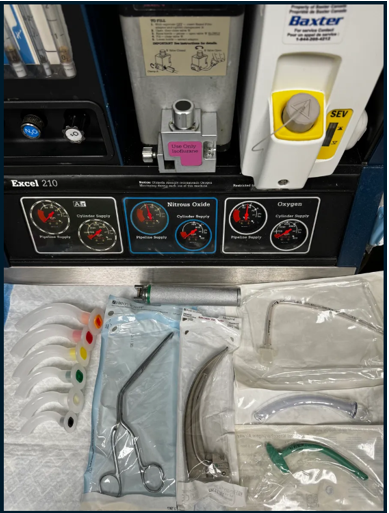
Emergency Drugs & Equipment Review
A practical, hands-on guide to essential emergency medications and devices:
- Indications, dosages, and administration
- AED usage
- Oxygen systems
- Epinephrine, glucose, bronchodilators, nitroglycerin, and more
- What every emergency kit must contain
Mock Scenarios & Team Coordination
Scenario-based discussions incorporating real-world dental emergencies, focusing on:
- Assigning team roles
- Effective communication under pressure
- Running an emergency from start to finish
- “Calm Operator” method for crisis control
Prevention Through Proper Assessment
- Medical history evaluation
- Identifying high-risk patients
- ASA classification
- Sedation-specific considerations
- Documentation aligned with regulatory expectations